
Navigating the teenage years involves many developmental milestones, with dental alignment frequently taking a prominent role. For many adolescents, correcting their smile is a priority that influences both physical function and personal confidence. As families in Singapore evaluate their orthodontic options, the choice usually comes down to two established methods: traditional fixed hardware and modern removable trays. Grasping the mechanical differences, lifestyle impacts, and daily commitments required for each system is essential for a smooth journey. This guide offers a comprehensive look at these two pathways, equipping parents and teenagers with the knowledge needed to evaluate their options carefully and proceed with clarity.
Key Takeaways:
Clinical examinations are essential to determine the suitable treatment path.
Fixed metal brackets provide continuous tension for reliable tooth shifting.
Removable plastic trays offer aesthetic privacy and no dietary restrictions.
Patient compliance is absolutely mandatory for the success of clear aligners.
A dedicated retention strategy is required to maintain the aligned teeth.
The First Clinical Evaluation
The foundation of any successful tooth straightening process relies on a meticulous clinical evaluation. When families decide to address an adolescent's dental alignment, arranging a formal assessment is the crucial initial step. During this visit, a dental professional will conduct a thorough examination of the oral cavity, focusing on bite function, jaw relationship, and the alignment of individual teeth.
To gain a comprehensive understanding of the underlying bone structure, the clinician will take digital photographs, panoramic X-rays, and accurate three-dimensional scans of the dental arches. These diagnostic records are indispensable because they reveal issues invisible during a routine check, such as impacted teeth or unique root angles. Following the assessment, the practitioner explains the biological process of moving teeth and recommends the appliance system suited to the patient's anatomical needs.
How Fixed Braces Operate
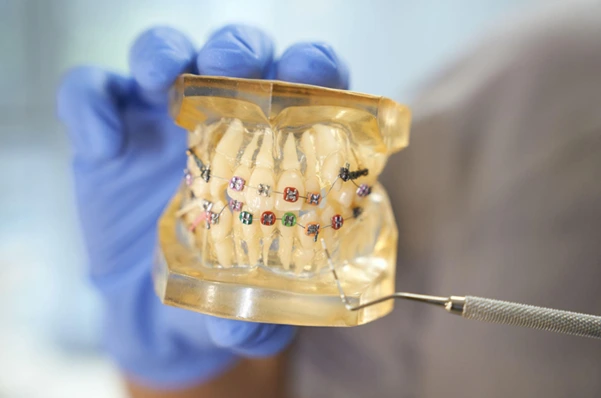
Traditional fixed braces have a long history of producing effective results, especially for resolving complex alignment issues and severe bite discrepancies. This approach involves attaching small, precisely engineered brackets to the front surface of each tooth using a specialised dental adhesive. A metal archwire is then carefully threaded through the slots of these brackets and secured with tiny elastic bands.
The fundamental principle of this system is the application of continuous, gentle tension. As the wire attempts to return to its original shape, it applies pressure to the teeth, stimulating the surrounding jawbone to remodel. The primary advantage of this system for teenagers is its uninterrupted operation. Because the hardware remains permanently attached throughout the treatment, it does not rely on the patient remembering to wear it, ensuring steady progress.
Exploring Clear Aligner Technology
In recent years, clear aligner therapy has become a highly popular alternative to fixed brackets, utilising advanced digital design and manufacturing. Instead of metal components, this system uses a sequenced series of custom-fabricated, transparent plastic trays. Each tray features slight modifications designed to guide the teeth incrementally toward their prescribed final positions over time.
The aesthetic advantage of clear aligners is a significant draw for appearance-conscious adolescents. The trays are virtually invisible when worn, allowing students to participate in social and academic activities without feeling self-conscious. Additionally, because the trays are removed during meals, teenagers face zero dietary restrictions. However, this flexibility requires immense discipline, as the trays must remain in the mouth for twenty-two hours daily to achieve the clinical outcome.
Managing Daily Oral Cleanliness
Maintaining an excellent standard of oral hygiene is absolutely critical during any orthodontic programme to prevent permanent enamel decalcification. Fixed braces introduce a layer of complexity to the daily brushing routine. The brackets and wires create numerous tiny ledges where food debris and plaque can easily accumulate, requiring teenagers to adopt an intensive cleaning regimen with specialised interdental tools.
Clear aligners offer a much simpler approach to maintaining oral hygiene. Because the teenager removes the appliance completely before eating and cleaning, they can brush and floss their teeth exactly as they did before starting treatment. This unobstructed access reduces the risk of plaque buildup and gum inflammation. The aligner trays themselves also require diligent daily cleaning with a soft toothbrush and cool water to prevent bacteria accumulation.
Treatment Duration and Appointments
The total duration of an orthodontic programme depends entirely on the complexity of the initial dental issues and the biological response of the patient. While some cosmetic corrections can be completed in under a year, a comprehensive treatment plan typically spans from eighteen months to three years. Throughout this timeframe, the teenager must attend routine review appointments every few weeks.
For patients with fixed braces, these visits allow the practitioner to evaluate the movement and progress to thicker archwires. For those using clear aligners, these appointments verify that the teeth are tracking perfectly with the digital simulation. Finding a reliable dentist around Clementi is highly advantageous for busy families, as a local clinic minimises travel time and allows for prompt intervention if an unexpected issue arises during the school term.
Budgeting for Orthodontic Care
Investing in a teenager's smile requires careful financial planning. The total expenditure for orthodontic care in Singapore varies based on the chosen technology, the length of the programme, and the specific clinical requirements of the case. Traditional metal braces generally present a more accessible price point for many families, making them a practical choice for extensive dental corrections.
Clear aligner systems frequently involve a higher financial commitment due to the sophisticated software and proprietary manufacturing processes used to create the individualised plastic trays. When consulting with a dental professional, parents should ensure they receive a transparent and comprehensive breakdown of all associated costs. Understanding these fees in advance allows families to budget effectively and explore suitable instalment plans without any surprises.
The Crucial Retention Stage
The active phase of moving teeth is only the first part of the orthodontic journey; preserving those results is equally important. Once the braces are detached or the final aligner tray is discarded, the teeth are highly susceptible to shifting back toward their original, irregular positions. This natural tendency, known as orthodontic relapse, is managed through a strict retention protocol.
Patients will be fitted with custom retainers, which may be removable clear plastic trays or a discreet wire bonded permanently to the back of the front teeth. The dental practitioner will outline a specific wear schedule, which usually involves full-time wear initially, followed by nightly wear indefinitely. Committing to this retention phase is the proven method to protect the significant investment of time and resources.
Reaching an Informed Decision
Selecting the appropriate orthodontic pathway is a collaborative process that balances clinical necessity with the teenager's lifestyle and maturity level. Clear aligners present an appealing option for responsible teenagers who value aesthetic discretion and dietary freedom, provided they can commit to the rigorous daily wear schedule. Conversely, fixed braces offer a robust, compliance-free solution capable of addressing intricate bite issues.
By engaging in open discussions with a qualified dental professional, families can carefully weigh the benefits and responsibilities associated with each system. A comprehensive understanding of the daily maintenance, financial investment, and long-term retention requirements empowers parents and teenagers to make an informed choice. Ultimately, the shared objective is to achieve a functional, healthy, and beautifully aligned smile.
Read another Article: Pathways to a Brighter Smile