
Parenting involves many milestones, and watching your child's first permanent teeth emerge is a significant one that often prompts questions about future alignment. It is quite common for parents to experience a moment of doubt when they notice shifts in their child’s dental structure for the first time. Seeking professional advice from a dentist at Clementi is a sensible step for families looking to identify whether these movements are part of normal development or require clinical intervention. By addressing these concerns early, you can navigate the path toward a healthy smile with a sense of clarity and purpose.
Families on the West Coast area often look for clear, simplified instructions on how to recognise the need for braces in their little ones. Understanding that kids' orthodontics in Singapore is a friendly and accessible process helps parents approach the situation with composure and confidence. Preparing a child for their initial consultation by explaining the visit in simple terms is essential for reducing any underlying anxiety and setting realistic expectations. Establishing a supportive relationship with your clinical team ensures that dental health remains an organised and manageable part of your family’s routine.
Key Takeaways:
Orthodontic assessments are recommended from the age of seven to catch bite concerns early.
Look for physical indicators such as overcrowding, wide gaps, or difficulty biting food evenly.
Early intervention allows specialists to guide jaw growth while the bone is still maturing.
Hardware choices for children include durable metal braces, tooth-coloured ceramic, or clear aligners.
Consistent monitoring every few months is vital for tracking progress and maintaining hygiene.
Identifying the Optimal Age for Orthodontic Checks
Every child grows at a unique pace, but their dental milestones usually follow a predictable biological pattern across the early years. Specialists generally advise that an initial orthodontic evaluation should take place around the age of seven, which is the period when front teeth and molars are transitioning into adult teeth. This timeframe allows a practitioner to monitor alignment and the amount of space available in the jaw before significant growth spurts occur. Early screening provides a baseline for future comparisons, allowing the dental team to watch for deviations from a healthy growth path.
Early checks are valuable even if your child does not require immediate treatment, as they provide a foundation for long-term clinical planning. By observing the emerging bite patterns now, a professional can ensure that care is delivered at the most appropriate developmental time. This forward-thinking approach simplifies the road ahead, potentially making future corrections quicker and much more comfortable for the young patient. Identifying these trends early allows households to prepare for the logistical and financial aspects of care without any unnecessary haste.
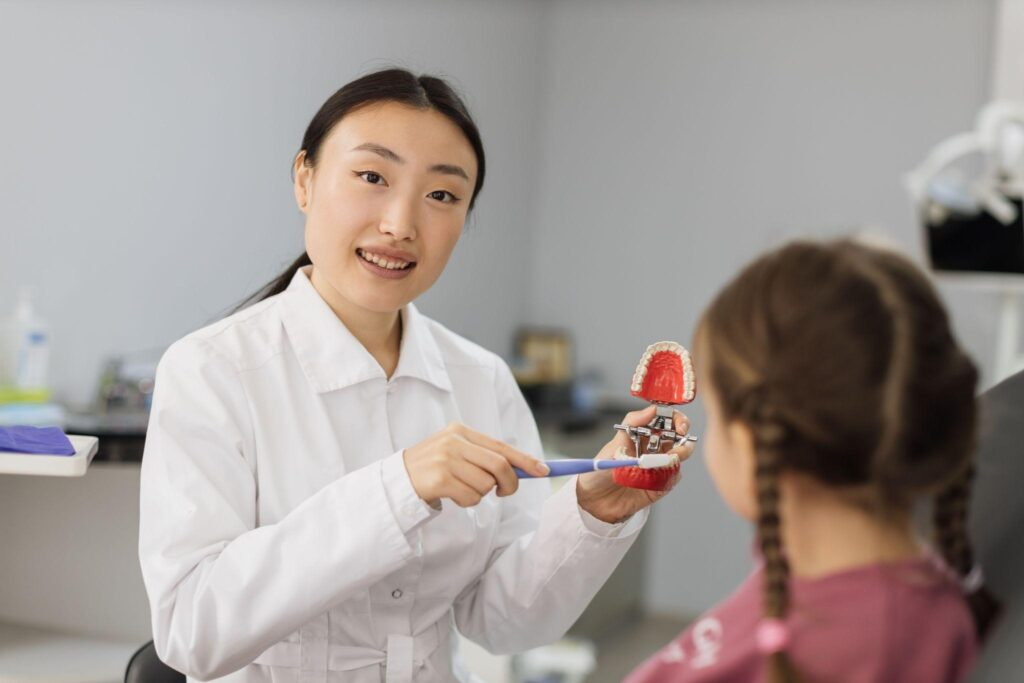
Common Indicators That Your Child Might Need Braces
Guardians are often the first to notice small changes in their child's smile, such as teeth developing in overcrowded positions or gaps that seem unusually wide. Other functional signs to watch for include mouth breathing while the child is asleep or difficulty when trying to bite through certain foods evenly. Discussing these observations with a dentist at Clementi helps parents determine if these traits are temporary or require professional correction. Recognising these cues early ensures that any underlying structural issues are managed before they impact the child's speech or chewing function.
Losing primary teeth significantly before or after the typical age can also indicate that the jaw structure needs a closer look. A clinician can evaluate these indicators and explain the next steps in simple terms without placing any pressure on the family to act prematurely. Whether the issue involves spacing concerns or an uneven bite, early awareness allows for a non-pressured discussion about the various pathways to a functional smile. This proactive observation supports a child's overall oral development and helps maintain a stable dental arch throughout their primary school years.
The Role of Early Interceptive Orthodontics
Children tend to be very cooperative when they are guided through the dental process with a positive and clear approach from a tender age. Because a child's jaw grows gradually, performing mild corrections during the primary growth period can often eliminate the need for more complex procedures later in life. Local specialists find it more convenient to influence jaw development while the bone is still maturing and pliable. This interceptive care focuses on creating enough space for adult teeth to emerge in their correct positions.
Interceptive orthodontics is designed to guide the permanent teeth into their proper alignment as they emerge from the gums. This proactive management helps to ensure there is adequate room in the dental arch, reducing the likelihood of future crowding or the need for tooth removal. Families who plan can budget for these treatments more effectively and know exactly what to expect as their child enters adolescence. Managing these shifts during the active growth phase provides the most efficient results and supports the long-term stability of the child's bite.
Exploring Fixed and Removable Appliance Options
Modern technology provides a variety of appliance possibilities tailored to the specific growth stages and lifestyles of children. Metal braces are a frequent choice because they are exceptionally durable and reliable for correcting complex alignment concerns. For adolescents who may be more conscious of their appearance, ceramic braces offer a discreet alternative because their colour is designed to blend with the natural teeth. Each option has specific clinical advantages that the practitioner will discuss with you during the consultation phase.
Transparent aligners may be a suitable alternative for mild cases where the patient meets specific clinical criteria. The choice between fixed or removable hardware depends on the child's daily activity levels, their hygiene habits, and the expected length of the treatment. A practitioner will explain which choice complements your child's individual needs and comfort the most before any decision is made. Understanding the features of each appliance type ensures that the selected treatment integrates seamlessly with your child's daily school life and extracurricular activities.
Managing Oral Hygiene and Breath Health in Kids
Maintaining high standards of oral hygiene is essential while wearing orthodontic hardware to prevent decay or gum irritation. Regular progress checks every few months allow the specialist to monitor the child's daily brushing and flossing habits. If a parent has concerns regarding the child's breath, it is a good opportunity to discuss halitosis meaning and check for potential causes of an unpleasant odour. Addressing these factors early ensures that the alignment process is not hindered by underlying hygiene issues or bacterial accumulation.
Addressing underlying issues early can improve both the alignment process and the overall health of the child's breath. A clinician can recommend an appropriate halitosis treatment or provide specific tools like tongue scrapers to enhance the home care routine. Consistent monitoring ensures that the teeth remain healthy and clean throughout the straightening journey, leading to a vibrant and fresh result. Teaching children effective cleaning techniques during this period establishes lifelong habits that protect their dental integrity well beyond the orthodontic phase.
Understanding the Practicalities of Local Dental Visits
Managing the logistics of regular clinic visits is an important factor for busy households with school-age children. Selecting a facility located near your home or school makes it much easier to attend regular monitoring appointments without significant travel time. Transparent communication regarding treatment steps and potential costs helps to create a calm and organised experience for the entire family. This local proximity ensures that any minor adjustments or repairs to the hardware can be handled promptly and efficiently.
If a tooth extraction is required before orthodontic work begins, perhaps due to severe decay, it is sensible to ask for a clear estimate. Many practices provide written estimates and discuss dental clinic Singapore price ranges during the initial consultation to assist with financial planning. Understanding the tooth extraction cost Singapore early on helps remove any uncertainty regarding the family budget. Being upfront about fees and explaining the available clinical options ensures that parents can make informed decisions without feeling pressured by unexpected costs.
Planning for Future Dental Stability and Confidence
The ultimate goal of early orthodontic oversight is to provide a stable dental arch and a confident smile for the future. Regular checks after the active treatment phase help ensure that the teeth remain in their new positions as the jaw finishes growing. Building a positive relationship with a professional ensures that your child feels supported throughout this developmental journey. This continuous monitoring helps to detect any post-treatment shifts early, allowing for quick adjustments that preserve the functional outcome achieved through the braces.
Parents who are in doubt about their child's alignment can gain clarity by seeking professional guidance from a dentist at Clementi. By providing early attention and clear steps, families ensure their children have the necessary support for healthy teeth and a confident smile. A healthy smile is more than just an aesthetic goal; it is a vital part of a child's overall well-being and social confidence. Taking the time to plan and monitor these shifts ensures a smoother road ahead as your child transitions into their teenage years.
FAQs
1. At what age should my child have their first orthodontic evaluation? Specialists typically recommend an initial assessment by age seven, as this is when adult molars and front teeth begin to emerge.
2. What are the common signs that a child might need braces? Indicators include overcrowding, wide gaps between teeth, difficulty biting evenly, or mouth breathing while asleep.
3. What types of orthodontic appliances are available for younger patients? Options include traditional metal braces, tooth-coloured ceramic braces, and transparent aligners for mild cases.
4. Why is early intervention important in children's orthodontics? Early care allows clinicians to guide jaw growth and alignment while the bone is still maturing, potentially preventing complex issues later.
5. How can I manage my child’s oral hygiene while they wear braces? Consistent daily brushing and flossing are vital, alongside regular progress checks every few months to monitor hygiene habits.
Read another Article: Swift Relief for Severe Toothache in Clementi